ஊடக வெளிச்சத்தில் இருட்டடிப்பு செய்யப்படும் செய்திகள். இவை ஊடகங்களில் இடம்பெற்றால் கூட வேறு செய்திகளின் மீது பரப்பப்படும் வெளிச்சத்தால் இருட்டுக்குள் மூழ்கி விடுகின்றன. அவற்றை வெளிச்சம் போட்டுக் காட்டுவதே நோக்கம்.
Saturday, April 16, 2016
NIA probes Lashkar link to Samjhauta blasts, seeks U.S. help
Wednesday, March 30, 2016
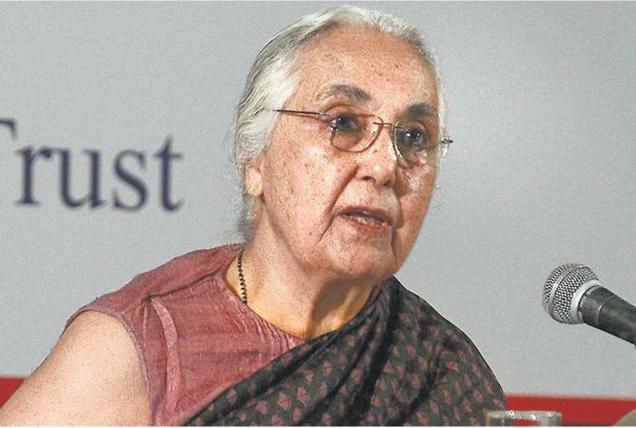
Religion-based Nationalism is back in Full Force: Romila Thapar

In the 1960s we were confident that the use of religion for political mobilisation would decline because nationalism, namely, the secular, all-inclusive, anti-colonialism nationalism that brought us independence, would, despite Partition, be firmly established. This was in some ways such a firm belief that it was not thought necessary to specify the inclusion of secularism in the Constitution at the initial stage. This has not happened. Religion as political mobilisation, and religion-based identity as the core of nationalism, sometimes called communalism, is back in full force.
Historians and other social scientists do not make predictions. Our inability to do so is because there may always be some irrational factor in our society that intervenes. So we can only analyse what went wrong and make some suggestions for how to put it right.
It is useful to consider the changing contours of communalism in post-colonial India since the parameters and the historical context are no longer the same as they were in colonial times. There was, to begin with, an anti-colonial relatively secular nationalism that pre-dated and was distinct from communalism, both Muslim and Hindu.
Communalism was born out of colonial policy, and took as its foundation the dubious two-nation theory that culminated in two categories of communalism – Muslim and Hindu. The first led to the creation of Pakistan. Hindu communalism is awaiting its fulfillment.
Communalism continues to have a role in the politics of post-colonial India, but this is not identical with its earlier role. The prime reason for anti-colonial secular nationalism has ostensibly been removed after independence, since we are no longer a colony and do not require an anti-colonial nationalism. But we still have to contend with the kind of communalism, that is aspiring to a Hindu Rashtra, of the 1930s vintage.
Interestingly the defining of this form of a nation, is embedded in the colonial interpretation of Indian society. It goes back to the nineteenth century interpretation of Indian history by James Mill who spoke of the two nations that have always constituted India – namely, the Hindu and the Muslim.
The two-nation theory fueled communalism, assisted by another colonial contribution which was the Census that led to describing Indian society as consisting of a majority community and minority communities. To this was added the colonial theory of the foundation of Indian civilisation being the Aryanism of the Vedas. This contributed to the concept of the nation as a Hindu Rashtra and the Hindu therefore being the primary citizen of India.
Whereas the major nationalism of anti-colonialism led the movement for independence, the colonial perceptions of the history and society of India, gave root to the two communal nationalisms in the form of the Muslim league and the Hindu Mahasabha – to be replaced with the RSS. These latter two did not support secular anti-colonial nationalism but instead focused on opposing each other.
Subsequent to Independence, secular nationalism was no longer confronting a colonial power, but instead, it had to confront the power of identity politics that draws on religious extremism. The need for awareness to check the activities of religious extremism was under-estimated. Both Islamisation and Hindutva took the path of concretising Islamic and Hindu identities as oppositional.
Indian Governments have each to a greater or lesser extent, been party to such politics. We have experienced extreme violence against various minorities – Muslim, Sikh, Christian, Dalits. It has been and continues to be a serious threat to democracy in India.
It is difficult to establish a functioning democracy in a society where there are special categories of privileged and under-privileged groups, and majority and minority communities based on religious identities with varying rights ; and an ideology that endorses the two-nation theory, where religion, caste, and language, become identities. It is difficult because democracy requires the reverse of this - it means equal rights for all and an equality in laws applicable to all citizens.
Many of our problems come from an unquestioned inheritance that we have accepted of colonial policy, administration and law. We continue to base our identities derived from religion and caste on those that the colonial system imposed on us. If we were to question these, something different may well emerge.
I often wonder whether all post-colonial societies nurture continuity and conservatism by clinging to what their colonizers had taught them about who and what they were and are ?
Communalism was born out of colonial policy, and took as its foundation the dubious two-nation theory that culminated in two categories of communalism – Muslim and Hindu. The first led to the creation of Pakistan. Hindu communalism is awaiting its fulfillment.
It would be interesting to do a comparative study with African and Caribbean nationalism, for instance, that saw the emergence of theories such as Negritude and where people read Aimee Cesare and Leopold Senghor when constructing their nationalisms. Did they also go back to colonial versions of their past or did they question these versions?
Are the ideologies of religious and cultural extremism invariably drawn from the interpretations of the society and culture of the ex-colony as constructed by the colonisers ? In other words do we have to endorse the identities that British colonialism imposed on us? Can we not instead question these identities and consider alternatives. The continuation of such identities is inherently anti-democratic. They were meant for a colony not for a free democracy.
This debate has been going on for a while now. There is a need to change the premises.
Instead of speaking of the past only in terms of who victimised whom, (and as we all know such theories of victimisation are easily constructed), we should instead look more carefully at what we want from the present and what from the past can help us construct a more positive present.
We have to recognise that we too, like every other society with a long past, have not been a society characterized by tolerance and non-violence. However much we may wish to believe that we were tolerant and non-violent, it simply isn’t true.
Such theories served their purpose in the days when we were contesting colonialism. But they are not of much help now with the constant daily actions that we witness or even experience, of intolerance and violence, and it seems to increase by the day. But we cannot suddenly have become violent and intolerant. There have to have been some elements of such behaviour in us in the past as well, which we perhaps kept under better control. It would be salutary to investigate why there was less of violence and intolerance in the past, if that was so?
Our texts from pre-Islamic times tell us that there were two streams of dharma that were dominant – the Brahmanical and the Shramanic. The latter were the Buddhists, Jainas, Ajivikas and such like. There are rulers that insistently call for tolerance among the sects as in the edicts of Ashoka Maurya, or there are references to conflicts between sects in Sanskrit texts, or in accounts of visitors to India in those times.
Patanjali, the great grammarian of around the second century BC, refers to the two streams of dharmaas dominant, and adds that their relationship can be compared to that of the snake and the mongoose. Buddhism was finally exiled from India. Sectarian conflicts continued into Islamic times with now an additional factor.
As far as intolerance goes, we must also remind ourselves that every religion in India discriminated against what we today call the Dalits. Even the religions that claimed that all men are equal in the eyes of God, did not give them equality.
Islam and Christianity did not have a category of Dalits outside India, but in India, Muslim, Christian and Sikh Dalits were segregated and lived separately. These are aspects of our society that we still have to come to terms with. We cannot claim to have been a tolerant society in the past by ignoring our treatment of some sections of society that we are now trying to amend. Intolerance does not refer only to religion. It also refers to the demeaning of another human being.
If we want a democracy then it has inevitably to be secular, and not give rights to privileged groups. This is irrespective of whether the claim is that such rights are justified by status or by numbers. It means that institutions of society have to be so organized that privileging a group becomes redundant.
This means a constant check on the functioning of those institutions that sustain a democracy to ensure that they are doing so. This also means being aware, for instance, that institutions of education where we learn about secular democracy, and are socialised to belonging to a democratic society, are not dismantled, or are replaced with teaching that is anti-democratic. This is a serious threat.
It also means changing the mind-set of institutions and people to encourage them to understand and support a democratic society.
What are the major institutions that would be involved with this?
The Constitution is based on values of secular democracy but most of us know so little about it. Perhaps we should be more aware of how it defends democracy. This would also involve greater knowledge about the functioning of the judiciary – so crucial to the current many crises.
We have to recognise that we too, like every other society with a long past, have not been a society characterized by tolerance and non-violence. However much we may wish to believe that we were tolerant and non-violent, it simply isn’t true.
The Code of Civil Laws should be geared to eliminating the continuing discrimination against Dalits, Adivasis and women. We also need to check from time to time to ascertain as to how affirmative action is working and who is benefitting from it.It does seem curious - and this question is now being commonly asked - as to why dominant castes in so many parts of the nation are taking to violence to ensure that they be given reservation rights, some of which are reserved only for those that have an under-privileged status.
A major positive change can be brought about if quality education is made available to all. The aim should not be just for literacy but also to teaching the young how to think, how to question their world, and how to improve it. The aim should be to impart how to handle knowledge and why this is important. Education is not just the acquiring of information. We have to remember that in the coming generation virtually half the population will be young adults with aspirations.
We have to ensure basic human rights so that five hundred million Indians can live with dignity. We have to think of how we can perhaps insist that our administrators, those that run our institutions as well as those that are required to protect us, be taught that their prime function is to protect the rights and the person of the Indian citizen ? Subservience to authority is not what is required from them. They have to be encouraged to be helpful to the citizen.
May be that if we begin to make these our demands and do so with a firm commitment, then some of the indignities associated with the communal mind-set, and that are so common in our society, may start to fade.
Communalism is ultimately an attitude of mind among people based on the assumption that whatever is told to them by their mentors is all they need to know. It shows a disinterest in knowing better. To focus therefore solely on the rights of religious communities – whether of the majority or the minority – ultimately has a limited purpose. This will not terminate communalism.
It seems to me that we have to think of other ways by which identities are defined. We seem to have arrived at a point when communal ideas and activities are taken as legitimate nationalism. We have to disentangle nationalism from communalism. No group has a monopoly on claiming that its activities alone, constitute nationalism, and all others are anti-national. We have to reconstruct nationalism in an inclusive, secular mode, to allow every Indian to participate equally and with equal rights.
https://sabrangindia.in/article/religion-based-nationalism-back-full-force-romila-thapar
Tuesday, March 29, 2016
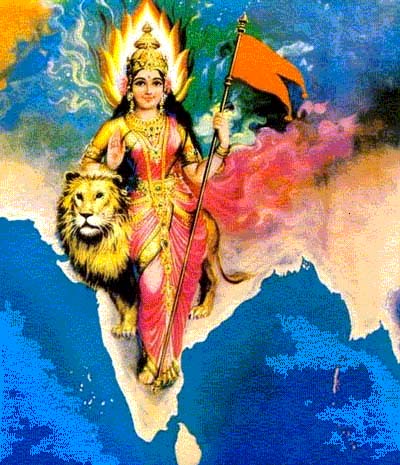
ஐரோப்பிய மம்மி பெற்றெடுத்த பாரத் மாதா !
by வினவு, March 29, 2016
பண்டைய இந்தியாவில் “பாரத் மாதா” இல்லை!
மகாராட்டிர சட்டசபையில், மஜ்லிஸ் கட்சியைச் சேர்ந்த சட்டமன்ற உறுப்பினர் வாரிஸ் பத்தான் சட்டசபையிலிருந்து தற்காலிகமாக நீக்கப்பட்டார். செய்த குற்றம் என்ன? பாரத் மாதா கி ஜெய் முழக்கத்தை சொல்ல மறுத்தது. இதை குற்றம் என்று பா.ஜ.க வானரங்கள் மட்டும் சொல்லவில்லை. சிவசேனா என்ற அதன் பாங்காளி வானரமும், உள்ளூர் காங்கிரஸ் எம்.எல்.ஏக்களும் கூட வழிமொழிந்தார்கள். இதை வைத்து முஸ்லீம்கள் அனைவரும் தேச துரோகிகள் என்ற கருத்தை இந்துமதவெறியர்கள் பரப்பினர். கூடுதலாக தீவிரவாத கம்யூனிஸ்டுகள்தான் தேசபக்தியை கேள்விக்குள்ளாக்கும் சித்தாங்கங்களை பரப்புகின்றனர் என்றும் பிரச்சாரம் செய்தனர்.
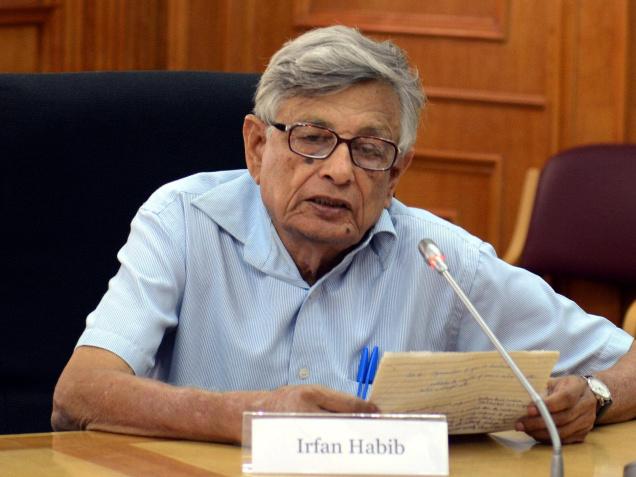
“பண்டைய இந்தியாவில் ‘பாரத்’ என்ற வார்த்தை புழங்கப்பட்டாலும் நாட்டை தாய், தந்தை என்று மனித உருவில் பார்க்கும் வழக்கம் பண்டைய மற்றும் மத்திய கால இந்திய வரலாற்றில் இல்லை” என்கிறார் பேராசிரியர் இர்ஃபான்.
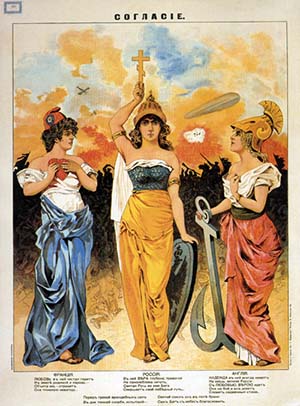
ஐரோப்பாவில் முதலாளித்துவ உற்பத்தி முறை வளர்ச்சி அடைந்து ஒரு நாட்டையே சந்தையின் பெயரால் இணைக்க வேண்டிய தேவை வந்த போது உருவான கருத்தாக்கம்தான் தேசியம். ரசியாவிலும், பிரிட்டனிலும் இப்படி தோன்றிய தேசிய கருத்தாக்கங்களின் வழிதான் நாட்டை தாயாக, தந்தையாக பார்க்கும் பழக்கம் தோற்றுவிக்கப்பட்டது. பிறகு இது ஐரோப்பிய நாடுகள் அனைத்திற்கும் பரவியதோடு அதன் பிறகு உலகமெங்கும் பரவியது.
ஆக “பாரத் மாதா கி ஜெய்” என்ற முழக்கமே வெள்ளையர்கள் போட்ட பிச்சை என்பதை மறுப்பதற்கில்லை. இப்படியாக ஐரோப்பிய காலனியாதிக்க மையவாத சிந்தனை முறைதான் ஆர்.எஸ்.எஸ் கூட்டத்தின் எரிபொருள் என்பது இங்கே குறிப்பிடத்தக்கது. பாரத் மாதாவிற்கே இதுதான் கதி என்றால் தமிழ் அன்னைக்கும் அதுதான் கதி!
இந்தியாவின் ஜனகன மண எனும் தேசிய கீதம் ஆங்கிலேய மன்னனை வாழ்த்தி பாடப்பட்டது. வந்தே மாதரம் எனும் கீதம் முஸ்லீம் மன்னர்களை வீழ்த்தும் வங்க மாதாவிற்காக பாடப்பட்டது. ஆக இந்தியாவின் தேசப்பற்று அடையாளங்கள் எவையும் ஒரிஜனல் அல்ல!
எது எப்படியோ இனி பாரத் மாதா கி ஜெய் என்று ஒருவர் முழங்கினால் அது இந்து ஞான மரபின் கண்டுபிடிப்பு அல்ல, ஐரோப்பாவின் இரவல் சரக்கு என்பதை தெளிய வைப்போம்!
மேலும் படிக்க:
Idea of Bharat Mata is European import: Irfan Habib
‘Bharat’ was first used in an inscription of King Kharavela in Prakrit, says the historian
Saturday, March 26, 2016
When the state becomes the nation
- “At the heart of the brand of nationalism that is currently seeking to establish its hegemony over India’s cultural and political landscape is the idea of the anti-national.” Picture shows posters at JNU, Delhi, in connection with a lecture on nationalism.—PHOTO: SUSHIL KUMAR VERMA
- March 24, 2016What has not received adequate scrutiny isthe present regime’s doctoring of the veryidea of a nation
Sunday, April 12, 2015
RSS, Congress fight to topple Ambedkar’s reformist agenda yet again
by G Pramod Kumar Apr 12, 2015 12:59 IST
What’s happening to the legacy of Dr B R Ambedkar at the hands of the RSS/BJP and the Congress on the occasion of his 125th birth anniversary is perhaps the biggest travesty of social and political history of India.
The man, an intellectual giant and peerless social reformer, who fiercely fought Hinduism till his death and was highly critical of Gandhi and the Congress, is today being misappropriated by both the Sangh Parivar and the Congress. And both are making elaborate plans to celebrate his anniversary.
The RSS will come out with commemorative collector’s editions of its mouthpieces Panchjanya and The Organiser, while the BJP will roll out year long celebrations with a particular focus on social welfare. The Congress, under a special committee chaired by Sonia Gandhi, also will ride on the glory of Ambedkar throughout the year. Prince Rahul will join the misappropriation plan.
The most outlandish and fallacious claims have been made by the RSS. It has said that Ambedkar’s work was similar to that of its icons such as Veer Savarkar and Madan Mohan Malaviya and that he even supported its polarising idea of “Ghar Wapsi”. The laughable irony of this claim is that Ambedkar’s politics was anchored in his uncompromising opposition to Hinduism, particularly the practice of caste or “varnashram”. He was so vocal in his antagonism to Hindu religion that he converted to Buddhism a few months before his death. While becoming a Buddhist, he had said that he felt free by renouncing Hindu religion and was no more an untouchable.
But an opportunist RSS sees Ambedkar’s lifelong fight against Hinduism as an attempt to reform the religion. In its stilted eyes, Ambedkar is a Hindu reformist. It doesn’t see his sufferings or the subjugation of Dalits at the hands of caste Hindus, but find great affection for Hinduism in his conversion to Buddhism because he turned down the overtures of Muslims and Christians. For the RSS, a person who didn’t want to convert to Islam or Christianity is a loyalist of the Hindus even though he was trying escape the cruelty of the Hindu caste-system.
The RSS has one more reason to misrepresent Ambedkar - that he was highly critical of the Muslims and did not support Pakistan. Ambedkar indeed went to great lengths to assert that “Muslim Society is even more full of social evils than Hindu Society is” and how it sanctioned and perpetuated slavery and subjugation of women. He was highly critical that there was no organised social reform movement in Islam. He also said that a “Muslim woman is the most helpless person in the world” because “Islam has set its seal of inferiority upon her, and given the sanction of religion to social customs which have deprived her of the full opportunity for self-expression and development of personality.”
These words do qualify him to be a severe critic of Islam and do make him a darling of the RSS, but what’s conveniently obscured is that in the same breath he had said that “in a ‘communal malaise,’ both groups (Hindus and Muslims) ignore the urgent claims of social justice.”
Social justice and social equality for all had been the centrepiece of Ambedkar’s politics and reforms agenda, and he believed that they had to precede any form of political freedom. He famously had said that “a democratic form of government presupposes a democratic form of society. The formal framework of democracy is of no value, and would indeed be a misfit if there was no social democracy.” He didn’t value India’s freedom that was not consistent with its social freedom.
This is the point that Gandhi and the Congress refused to acknowledge. The Congress and its freedom fighters thought Ambedkar was a lackey of the British when he put social democracy before political democracy and engaged with them in pursuance of his agenda. He was certain that the untouchables, or the “depressed classes” as he called them, will never get justice if the British left without giving them their due. Political freedom, as Gandhi and the nationalists saw, had little significance to him. As he had said, “the politicals never realised that democracy was not a form of government. It was essentially a form of Society.” He also had said that the “animosity of the Congress Press towards me can to my mind, not unfairly, be explained as a reflex of the hatred of the Hindus for the Untouchables.”
Clearly, for him, the Congress and the Hindu-forces represented the same side of the coin.
Ambedkar didn’t see the subjugation of the untouchables by caste-Hindus and the lack of political freedom as two separate situations. For him, if the nation wanted to be free, it had to be free from both. “It may not be necessary for a Democratic society to be marked by unity, by community of purpose, by loyalty to public ends, and by mutuality of sympathy. But it does unmistakably involve two things. The first is an attitude of mind, an attitude of respect and equality towards their fellows. The second is a social organisation free from rigid social barriers. Democracy is incompatible and inconsistent with isolation and exclusiveness, resulting in the distinction between the privileged and the unprivileged.”
His clash with Gandhi in fact combined both - the tyranny of the Hindu caste system and the wilful neglect of social democracy. Nothing can be more direct to show that the ideologies of Gandhi and Ambedkar were at loggerheads when it came to the former’s belief in the caste system: “I am a Hindu, not merely because I am born in the Hindu fold, but I am one by conviction and choice. There is no superiority or inferiority in Hinduism of my conception. But when Dr. Ambedkar wants to fight Varnashram itself, I cannot be in his camp, because I believe Varnashram to be an integral part of Hinduism.” In other words, Gandhi believed in the caste-system that Ambedkar fought against throughout his life.
Today, the Congress and the RSS/BJP indulge in historical revisionism for political aggrandisement. A mendacious BJP wants to usurp and misrepresent Ambedkar’s legacy by making invidious comparisons to attract Dalit votes and to take on the BSP in UP, while a status quoist Congress wants to continue misleading its tradition Dalit vote-base.
Unfortunately, it’s not just the Congress and the BJP alone that do injustice to Ambedkar’s legacy, but also Dalit parties such as the BSP. They had long since compromised with Hindutva forces, caste-Hindu organisations and Muslim fanatics, and what’s happening now is another political farce in a farcical democracy. An what we lose in the process is a great opportunity to revive his social reformist politics and discover the immensity of his scholarship.
Monday, April 6, 2015
Hashimpura verdict: Maliana’s victims lose hope
Maliana (Meerut), March 30, 2015
Updated: March 30, 2015 03:44 IST
— PHOTO: KHURRAM KHAN
Riots survivor Mohammad Yameen (left) and his family members have been waiting for 28 years for justice. Photo: Khurram Khan
Even after 28 years, very little progress has been made in the case
Justice eluded the survivors and family members of the Hashimpura massacre with the trial court acquitting all the accused Provincial Armed Constabulary personnel last week. It seems a similar fate awaits Maliana village, where 72 Muslims were killed and burnt allegedly by the PAC and a mob on May 23, 1987.
Killings in Maliana, a small Muslim village on the outskirts of Meerut, happened just a day after the Hashimpura massacre. With no mention of the PAC personnel in the FIR, a “shoddy” investigation by the State agency and a weak charge sheet, Maliana villagers feel they will not get justice, just as the victims of Hashimpura.
The trial in the case has not even crossed the first stage. In the past 28 years, 800 dates have been fixed for hearing, but only three of the 35 prosecution witnesses have been examined by the Meerut court. The last hearing was held almost two years ago.
FIR goes missing
The laxity of the prosecution can be gauged from the fact that the main FIR, the basis of the entire case against 95 rioters from the nearby villages, suddenly “disappeared” in 2010. The sessions court in Meerut refused to go ahead with the trial without a copy of the FIR and a “search” for the FIR is still on.
“Who stole the FIR? How can the FIR suddenly disappear? What is this if not a pretext to delay and weaken the case?” alleges Mohammad Yakoob, who filed the complaint on which the FIR was registered. A letter was written to the district court for reconstruction of the FIR but there has been no reply.
“The entire system, it seems, has colluded to weaken, delay and deny us justice. People were killed and burnt but then if they happen to be Muslims, there won’t be justice,” says Yakoob.
Yakoob recounts the attack which killed three members of his family. “It was an attack by the PAC which brought the rioting mob along.”
Another survivor Mohammad Nawab, who witnessed his parents being burnt after they were allegedly tied to a cot, says: “The attack was from all the five entry points in the village which is surrounded by Hindu settlements from all sides. There was no escape route. After that it was all merciless killing, burning, arson and loot.”
“PAC jawans started targeting everybody on the roof with bullets. The rioting mob had come prepared with swords and kerosene. It all started at 2.15 p.m. and by 4 p.m. there was deathly silence in the village,” he recounts.
“We were bluntly told by the administration that there won’t be any justice or investigation if the complaint mentions the police or the PAC,” he said while showing injury marks on his legs. “The rioters broke my legs and hand. After the killings I was made to sign an FIR that the police prepared,” he says.
Under public pressure, an inquiry commission, headed by Justice (retd.) G.L. Shrivastava was set up but till date its report has not been made public.
Alauddin Siddiqui, a local lawyer who has been helping the victims, says the “unnecessary and avoidable” delay was “killing” the cause of justice. “We have 25-30 witnesses who can tell how their family members were killed. But for that there has to be progress in the case,” he says, adding that no public prosecutor has been appointed in the case.
RELATED NEWS